Proper storage of deli meats is essential for maintaining food safety, preserving flavor, and controlling food costs. In commercial kitchens, even small handling mistakes can lead to spoilage, waste, and inconsistent quality.
This deli meat storage and shelf life guide for commercial kitchens explains best practices for receiving, storing, slicing, and serving deli meats to maximize freshness and operational efficiency.
Why Proper Deli Meat Storage Matters
- Food safety compliance
Reduces risk of contamination and temperature abuse. - Extended shelf life
Protects product integrity and reduces unnecessary waste. - Flavor preservation
Maintains moisture, texture, and overall quality. - Cost control
Prevents shrinkage from spoilage or improper handling. - Operational consistency
Ensures predictable quality across shifts.
Operator Tip:
Always log receiving temperatures and first-open dates to improve traceability and minimize product loss.
Understanding Shelf Life in Commercial Kitchens
Shelf life varies depending on whether deli meats are unopened, opened, or sliced.
Unopened Product
- Store at 34–38°F
- Follow manufacturer’s use-by date
- Keep in original packaging
Opened Whole Muscle Meats
- Typically 3–5 days when properly sealed
- Wrap tightly in food-grade film
- Store in dedicated protein section
Pre-Sliced Deli Meats
- Best used within 3 days
- Keep covered and protected from airflow
- Avoid stacking loosely sliced product
Maintaining consistent refrigeration temperature is critical for maximizing shelf life.
Best Storage Practices (Back of House)
1. Maintain Proper Refrigeration
- Keep between 34–38°F
- Avoid overloading refrigeration units
- Store away from raw proteins
2. Use FIFO (First In, First Out)
- Label all products with open date
- Rotate stock daily
- Train staff on rotation standards
3. Prevent Cross-Contamination
- Clean slicers between proteins
- Use dedicated storage containers
- Separate allergen-sensitive items
4. Minimize Air Exposure
- Wrap tightly after each use
- Store sliced meats in sealed containers
- Avoid repeated temperature cycling
Portion Control & Waste Reduction
- Slice only what you expect to use within service periods
- Avoid pre-slicing excessive quantities
- Monitor yield to prevent unnecessary trimming waste
- Keep detailed prep logs to track usage patterns
Controlled slicing improves freshness and reduces discarded product.
Pairing Storage with Menu Planning
Proper storage works best when aligned with menu strategy.
Plan Protein Usage Around:
- Daily sandwich volume
- Catering schedules
- Peak traffic hours
- Seasonal demand
This prevents over-ordering and helps optimize case purchases.
Sample Operational Applications
1. High-Volume Deli Counter
- Slice proteins in small, consistent batches
- Store backup product sealed until needed
Why it works: reduces drying and improves presentation.
2. Catering Operations
- Pre-portion proteins by event
- Store in labeled, sealed containers
Why it works: simplifies assembly and protects freshness.
3. Quick-Service Café
- Prepare small grab-and-go batches
- Monitor temperature checks every shift
Why it works: maintains food safety and reduces spoilage.
Common Storage Mistakes (and How to Avoid Them)
1. Storing above recommended temperature
Fix: Verify refrigeration calibration weekly.
2. Leaving product uncovered
Fix: Always reseal immediately after slicing.
3. Over-slicing during prep
Fix: Slice based on projected service needs.
4. Ignoring open-date labeling
Fix: Implement mandatory labeling policy.
FAQs
How long does sliced deli meat last in a commercial refrigerator?
Typically 3 days when properly sealed and stored at safe temperatures.
What temperature should deli meat be stored at?
Between 34–38°F for optimal safety and freshness.
Improve Freshness, Safety, and Profitability
Following a proper deli meat storage and shelf life guide for commercial kitchens helps protect food quality, ensure safety compliance, and reduce costly waste.
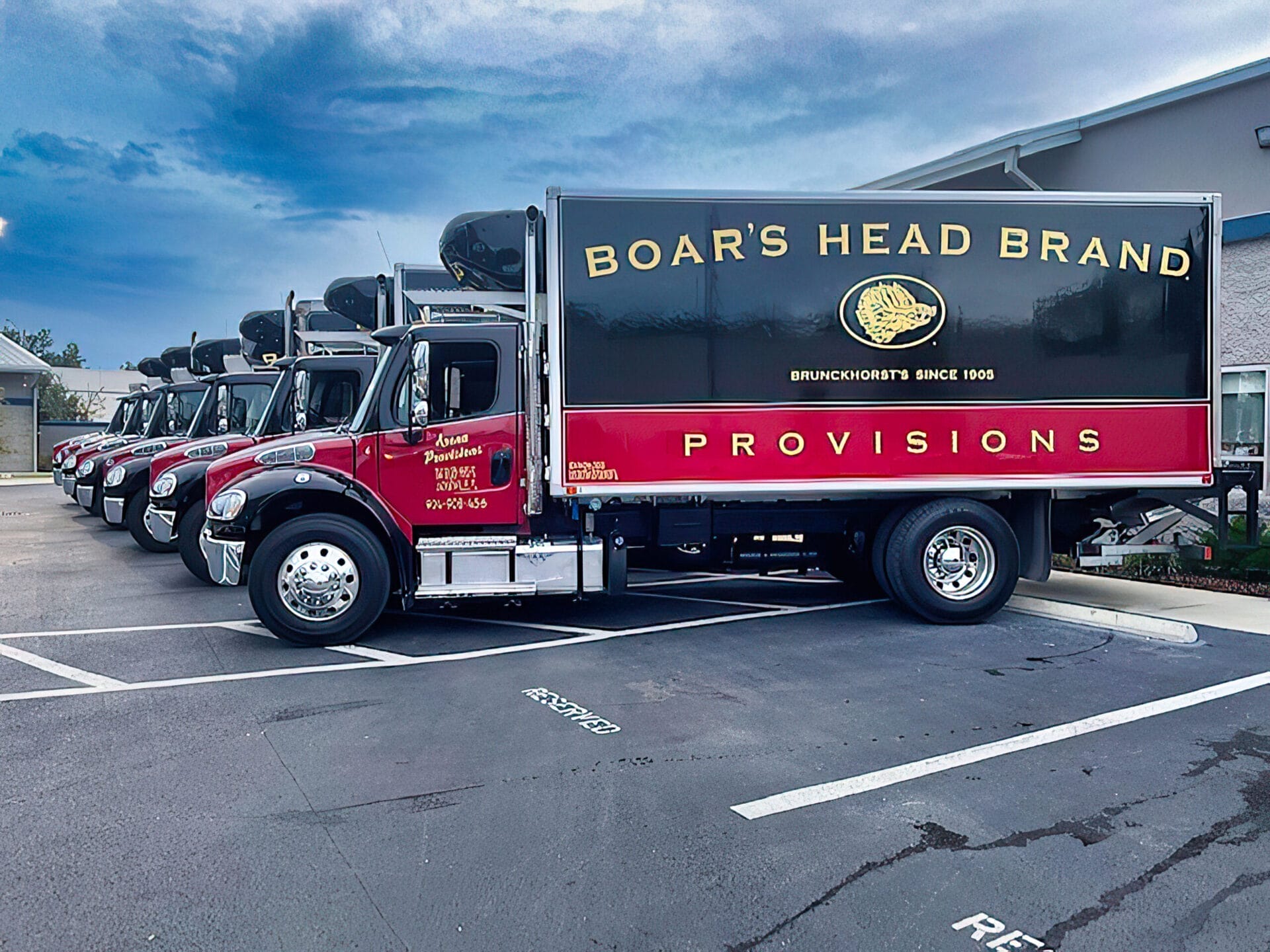
Arena Provisions supplies premium deli meats to restaurants, cafés, and foodservice operators throughout Jacksonville and surrounding areas – helping kitchens maintain consistent quality from delivery to service.